Your Sacred Herb Garden:
10 Plants from Scripture to Grow Today
The same herbs that healed in Biblical times can thrive in your backyard, on your windowsill, or in a raised bed. Here's how to start.
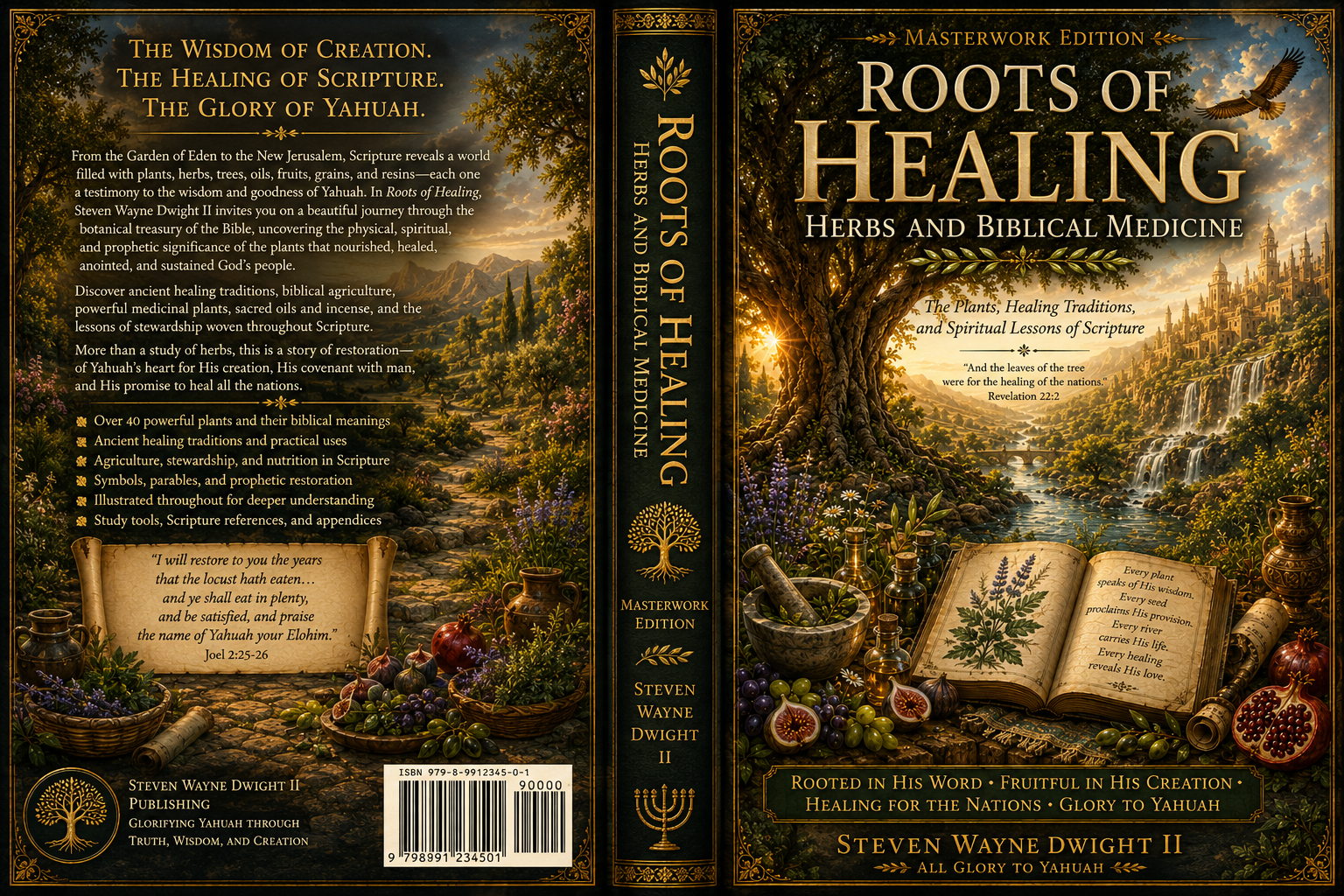
Scripture doesn't just describe herbs — it describes people tending them. Adam was set in a garden "to work it and keep it" (Genesis 2:15). The Tabernacle courtyard had specific plants assigned to sacred use. Jesus used parables about gardens, seeds, and growth as the primary language of the Kingdom.
Roots of Healing dedicates two full chapters — Creating Your Sacred Herb Garden (Chapter 32) and Herbal Preparations: Teas, Tinctures, and Salves (Chapter 33) — to the practical art of growing and using biblical herbs. This guide takes those chapters and turns them into a concrete starting plan for your own garden.
"The Lord will guide you always; he will satisfy your needs in a sun-scorched land and will strengthen your frame. You will be like a well-watered garden." — Isaiah 58:11
Before You Plant: 3 Foundations
A sacred herb garden isn't just about the plants — it's about the intention behind growing them. Before you put a seed in soil, anchor these three principles:
1. Faith and Formation
Gardening is a spiritual practice. The discipline of tending something over weeks and months — watching it grow, responding to its needs — mirrors the formation of character. When you grow the same herbs mentioned in Scripture, you participate in a tradition that spans thousands of years. Let that meaning inform how you work.
2. Health and Healing
These plants were placed in creation with purpose. Many of them — frankincense, myrrh, garlic, lavender — have been studied and validated by modern science for their therapeutic properties. You're not just growing a hobby; you're building a home apothecary.
3. Stewardship and Sustainability
God gave humanity the garden to tend (Genesis 2:15). Good stewardship means learning your soil, composting, using water wisely, and sourcing organic seeds. A sustainable garden is a faithful garden.
"You will be like a well-watered garden."
— Isaiah 58:11
The 10 Plants: Scripture-Connected Herbs for Your Garden
These 10 plants were selected for their biblical significance, ease of growth, and practical home-use value. Most grow well in a wide range of climates — some are happy in pots on a windowsill, others need a bit more garden space.
Lavender
Not explicitly named in Scripture, but used in ancient Temple preparations and burial practices; associated with peace, rest, and the fragrance of presence
"Peace and calm" — Lavandula angustifolia. Lavender is the most versatile beginner herb. It calms the nervous system (studied for anxiety and sleep support), repels pests from the garden, and produces lovely, fragrant blooms all summer. Biblical-era herbalists used it for wound care, spiritual fragrance, and calming preparations. It is one of the easiest herbs to grow and one of the most useful.
How to Grow
Sun: Full sun (6+ hours). Soil: Well-draining, slightly alkaline — add sand if your soil is heavy. Water: Drought-tolerant once established — water deeply but infrequently. Container: Excellent in pots. Climate: Hardy in zones 5–9; in colder climates, grow in pots and bring indoors for winter or treat as annual. Harvest: Cut flower stalks just as the buds begin to open for maximum fragrance.
Rosemary
Not named directly in Scripture, but referenced in the ancient Mediterranean world as "the herb of remembrance" — associated with memory, fidelity, and the presence of God in worship
"Memory and strength" — Salvia rosmarinus. Rosemary takes its name from Latin ros marinus — "dew of the sea." In the ancient world, it symbolized remembrance (carried at funerals and weddings alike) and mental clarity. Modern research supports cognitive benefits — studies show rosemary aromatherapy can improve memory speed and accuracy. It is also a powerful antioxidant and circulation stimulant.
How to Grow
Sun: Full sun. Soil: Sandy, sharply drained — Rosemary hates "wet feet." Water: Let soil dry between waterings. Overwatering is the #1 killer. Container: Great in pots; bring indoors in cold climates. Climate: Perennial in zones 7–10; annual elsewhere. Tip: Avoid overhead watering — Rosemary is susceptible to fungal issues in humid conditions. Water at the base.
Thyme
Referenced in 2 Kings 4:39-41 as wild gourd Remedy; ancient Mediterranean herb used for courage, protection, and purification in ancient cultures
"Courage and protection" — Thymus vulgaris. Thyme has been used since ancient Egypt for embalming and purification. In ancient Greece, soldiers bathed in thyme before battle for courage. It contains thymol, a potent antimicrobial compound still used in natural antiseptic preparations. For the home herbalist, thyme is invaluable for respiratory support, immune boosting, and digestive aid.
How to Grow
Sun: Full sun. Soil: Lean, sharply drained — rocky or sandy soil is ideal. Water: Moderate; let top inch of soil dry. Container: Excellent in pots. Climate: Hardy perennial in zones 4–9. Creeping varieties make beautiful groundcovers. Harvest: Cut stems before flowering for best flavor and medicinal potency. Hang to dry.
Chamomile
Known in the Roman world as a comfort herb; referenced in ancient apothecary traditions; "the plant physician" — said to revive sick plants nearby
"Comfort for the weary" — Matricaria chamomilla (German) or Chamaemelum nobile (Roman). Chamomile is the classic calming tea — its gentle nervine properties have been validated by modern science (apigenin binds to GABA receptors in the brain, producing mild relaxation). It is also a digestive aid and anti-inflammatory. In the ancient world, it was called "the plant physician" because it was believed to revive nearby sick plants. Easy to grow, beautiful flowers.
How to Grow
Sun: Full sun to partial shade. Soil: Average, well-draining. Water: Regular but not waterlogged. Container: Grows well in pots. Climate: Annual; self-seeds readily. German chamomile grows 2–3 feet tall; Roman chamomile is a low-growing perennial groundcover. Harvest: Pick flowers when petals begin to droop downward. Dry on screens.
Garlic
Numbers 11:5 — the Israelites longed for the garlic they ate in Egypt; Exodus 12:8 — used in the Passover meal
"The natural protector" — Allium sativum. Garlic is the most medicinal common food. It contains allicin, released when cloves are crushed or chopped, with documented cardiovascular, immune-modulating, and antimicrobial effects. A daily clove of raw garlic is one of the simplest, most powerful health habits you can build. The Israelites craved it in the wilderness — it was part of their daily nutrition.
How to Grow
Plant: In fall for spring harvest (in most climates) — push individual cloves 2" deep, pointy end up, 6" apart. Soil: Rich, well-draining. Water: Regular in spring; reduce as bulbs mature. Container: Needs depth — 12" minimum. Climate: Hardy in zones 3–8. Harvest: When lower leaves brown and upper leaves are still green (typically June/July). Cure in a dry, warm, dark place for 2 weeks before storage.
Peppermint
Not explicitly in Scripture; used in the ancient world for digestive ailments, fever, and as a refreshing strewing herb in homes and temples
"Refreshment and restoration" — Mentha × piperita. Peppermint is one of the most-studied herbs for digestive health — it relaxes smooth muscle in the GI tract, relieving bloating, cramping, and gas. It is also used for headaches (applied topically or inhaled) and as a respiratory decongestant. In ancient homes and temples, fresh mint was strewn on floors for its refreshing fragrance. It grows aggressively — give it space or contain it in pots.
How to Grow
Sun: Partial shade to full sun. Soil: Rich, moist — unlike most Mediterranean herbs, peppermint likes water. Warning: Aggressive spreader — plant in containers or use root barriers in the ground. Container: Highly recommended; prevents spreading. Climate: Perennial in zones 3–11. Dies back in winter, returns in spring. Harvest: Cut stems before flowering for best flavor. Dry or use fresh.
Sage
Not named in Scripture, but salvia comes from Latin salvare — "to save" or "to heal"; used in ancient Mediterranean healing traditions and as a sacred cleansing herb
"Wisdom and healing" — Salvia officinalis. The name "sage" literally means "to save" or "to heal." Sage was used in ancient Roman temples as a sacred cleansing herb and was considered one of the most important healing plants in the ancient Mediterranean. It contains rosmarinic acid and flavonoids with anti-inflammatory and cognitive-supporting properties. In some Native American traditions, white sage is burned for spiritual cleansing — connecting naturally to the biblical concept of incense and purification.
How to Grow
Sun: Full sun. Soil: Well-draining; tolerates poor soil. Water: Drought-tolerant once established. Container: Excellent in pots. Climate: Perennial in zones 4–10; may need winter protection in cold climates. Pruning: Cut back in early spring to prevent woodiness. Harvest: Harvest leaves before flowering for peak flavor. Dry on screens.
Fennel
Not explicitly named in Scripture; used in ancient Near Eastern medicine and mentioned in the apocryphal Book of Sirach (Ecclesiasticus 39:13)
"Restoration and vitality" — Foeniculum vulgare. Fennel appears in the apocryphal Book of Sirach: "He shall find sweetness in the fruits thereof, and at the end of the work thereof, a tree shall not be overthrown." It was used across the ancient world as a digestive aid, appetite stimulant, and respiratory support. The entire plant — bulb, fronds, and seeds — is edible. Fennel tea is one of the safest and most effective remedies for infant colic, bloating, and indigestion.
How to Grow
Sun: Full sun. Soil: Rich, slightly acidic, well-draining. Water: Regular; keep soil moist. Container: Needs depth — 12–18" pot. Climate: Perennial in zones 5–10; grown as annual in colder climates. Tip: Do not plant near dill — they cross-pollinate and ruin both. Harvest: Collect seeds when flower heads turn brown. Bulb is ready when it swells above soil line.
Holy Basil (Tulsi)
Not in Hebrew Scripture, but used extensively in Hindu traditions and referenced in Roots of Healing Chapter 4 as a "Biblical-adjacent" plant with deep spiritual and healing history in the Near East
"Adaptogen and sacred plant" — Ocimum tenuiflorum (Krishna or Rama Tulsi). While not in the Hebrew Bible, Holy Basil is one of the most sacred plants in the world — called "the incomparable one" in Hindu tradition. It was used in ancient Near Eastern healing and has been studied extensively as an adaptogen (a plant that helps the body resist physical and mental stress). In modern research, tulsi reduces cortisol, supports immune function, and has anti-anxiety properties. A powerful addition to a faith-based herbal practice.
How to Grow
Sun: Full sun, warm. Soil: Rich, well-draining. Water: Keep consistently moist; doesn't like drought. Container: Grows well in pots; bring indoors before frost. Climate: Tropical — treat as annual in zones below 10. Harvest: Pinch flower buds to encourage bushy growth; harvest leaves regularly.
Calendula
Not explicitly in Scripture; used in ancient Roman and Greek medicine; the name comes from Latin calendae (first day of each month) — it blooms nearly year-round
"Skin healing and protection" — Calendula officinalis. Also called "pot marigold," calendula is one of the most studied herbs for skin health — used in salves, creams, and oils for cuts, burns, rashes, and dry skin. It has anti-inflammatory, antimicrobial, and wound-healing properties confirmed by modern research. In ancient Roman healing traditions, it was used to treat wounds and skin irritations. An essential plant for a home herbal apothecary — easy to grow, beautiful to look at, and incredibly useful.
How to Grow
Sun: Full sun. Soil: Average, well-draining; tolerates poor soil. Water: Moderate; avoid waterlogging. Container: Excellent in pots. Climate: Annual; self-seeds prolifically. Deadhead to prolong blooming. Harvest: Harvest flower heads when fully open. Dry in a single layer on screens in a warm, dark place. Infuse in oil for salves.
Dandelion
Not named in Scripture; wild edible greens referenced throughout (e.g., Ruth gleaning in the fields — Ruth 2:2); considered a common "weed" but deeply medicinal
"Hidden treasure" — Taraxacum officinale. The dandelion is the perfect illustration of the biblical theme of hidden value. Scripture says, "Is anything too hard for the Lord?" (Genesis 18:14) — and the humble dandelion is one of the most nutrient-dense foods on earth, yet dismissed as a weed. Every part is usable: roots (coffee substitute, liver support), leaves (mineral-rich bitter greens), flowers ( infused in oil or eaten). Contains inulin (prebiotic fiber), antioxidants, and potassium.
How to Grow
Sun: Full sun to partial shade. Soil: Tolerates poor soil — actually prefers it. Water: Drought-tolerant once established. Container: Grows well in pots; can contain the spread. Note: Dandelions grow wild almost everywhere. Rather than planting, identify and harvest from clean (unsprayed) lawns. If cultivating, buy cultivated varieties for larger leaves and less bitter flavor. Harvest: Young leaves in spring (least bitter); roots in fall (after first frost for best flavor); flowers when fully open.
Simple Preparations: What to Make with Your Herbs
Chapter 33 of Roots of Healing — Herbal Preparations: Teas, Tinctures, and Salves — covers this in detail. Here are the four foundational preparations every herbalist should master:
1. Herbal Tea (Infusion)
The simplest and most accessible preparation. Use 1–2 teaspoons of dried herb (or 2–3 teaspoons fresh) per cup of water. Pour boiling water over the herb, cover, and steep 10–15 minutes. Strain and drink. Best for: leafy herbs like lavender, mint, chamomile, sage, rosemary. Store dried herbs in airtight containers away from light and heat.
2. Herbal Oil (Infused Oil)
Fill a clean jar halfway with dried herb (never wet — water causes mold). Cover completely with a carrier oil (olive, jojoba, sweet almond). Cap tightly and place in a warm, sunny spot for 4–6 weeks, shaking daily. Strain through cheesecloth, pressing out all oil. Store in a dark glass bottle. Use for: salves, massage, skin care. Best herbs for oil: calendula, lavender, rosemary, sage, chamomile.
3. Herbal Salve
Melt 1 part beeswax (by weight) with 4 parts infused herbal oil in a double boiler. Stir until fully melted and combined. Pour into small tins or jars. Let cool and harden. Label with herb and date. Makes approximately 3–4 ounces. Essential for: cuts, scrapes, dry skin, muscle aches, sunburn. Store in a cool, dark place for up to 1 year.
4. Garlic Honey
Fill a clean jar halfway with minced or crushed fresh garlic. Cover completely with raw honey. Stir to remove air bubbles. Cover with a lid and label. Let infuse for at least 1 week, preferably 4 weeks. Use 1 teaspoon at the first sign of sore throat or cold. The garlic loses its harshness; the honey becomes medicinal. This combination was used in ancient Egyptian healing traditions — both are antimicrobial on their own, but together they are notably powerful.
Your Starting Garden Checklist
Don't try to grow all 10 at once. Start with 3–4 and expand as you gain confidence. Here is a starter checklist for a beginner-friendly garden in a temperate climate:
Starter: 3 Herbs to Start With
Next 3: Intermediate
Final 4: Advanced
Connecting Garden to Scripture
The garden is not separate from your faith — it is an expression of it. When you plant lavender, you participate in a tradition of aromatic plants used for sacred purposes across millennia. When you harvest chamomile for tea, you are doing what Roman women did before you. When you crush garlic for honey, you are using a combination as old as ancient Egyptian medicine.
Genesis 1:29 establishes food-as-medicine as God's original design. The Garden was not just a setting for the Fall — it was a pharmacy and a sanctuary. Every herb you grow is a small act of restoration, participating in what God intended from the beginning.
Go Deeper: Roots of Healing
36 chapters · 40+ plants · Scripture · Herbal preparations · Daily practice
Get the Book on Amazon — $9.99 →Chapter 32 walks through planning your garden (space, sun, soil), selecting seeds, and building raised beds. Chapter 33 covers every preparation method in detail — teas, tinctures, decoctions, salves, infused oils, vinegars, and syrups. Both chapters include a spiritual reflection connecting each plant to the Word.
Get Chapter 1 Free
"The Sacred Garden of Healing" — sent to your inbox. Plus occasional updates on biblical herbs and natural health.
No spam. Unsubscribe anytime.